
"dandelion root coffee"
40 article(s) found

Coffee Common sense German History of "substitute Coffee"
Today, Germany is one of the countries that import the most coffee in the world. More than 1/4 of Vietnam's annual coffee exports are sent to Germany. But when it comes to Germany, we only think of sausages and beer, not coffee. This is because, in the 17th century, when coffee spread across Europe, Germany had few overseas colonies, unlike Britain and France.

The History of "substitute Coffee" in Germany
Today, Germany is one of the countries that import the most coffee in the world. More than 1/4 of Vietnam's annual coffee exports are sent to Germany. But when it comes to Germany, we only think of sausages and beer, not coffee. This is because, in the 17th century, when coffee spread across Europe, Germany had few overseas colonies, unlike Britain and France.

Historical substitute Coffee of Fine Coffee in Germany
Today, Germany is one of the countries that import the most coffee in the world. More than 1/4 of Vietnam's annual coffee exports are sent to Germany. But when it comes to Germany, we only think of sausages and beer, not coffee. This is because, in the 17th century, when coffee spread across Europe, Germany had few overseas colonies.

Barista flavor coffee cherry filter coffee professional coffee word boutique coffee
Boutique coffee is fresh coffee. Whether it's food or drink, of course, the fresh the better, and so is boutique coffee. High-quality coffee should keep the coffee beans fresh before making, including the preservation of baked beans, and grind the coffee beans into powder before making, which is also to retain its original and best flavor. And the way of making hand-made coffee is such a way to make high-quality coffee.

What are the differences in the taste of decaffeinated coffee available in Japanese supermarkets?
For more information on coffee beans, please follow the origin and development of low-caffeine and low-caffeine coffee in coffee workshop (Wechat official account cafe_style): why are all Swiss water-treated decaf coffees sold? For friends who want to drink coffee and black tea but are worried about excessive caffeine intake, they can consider buying low (non) caffeinated drinks while pregnant or breastfeeding.

What are the eight "what" in coffee?
What is caffeine? Caffeine is a substance found in the leaves, roots and fruits of 100 plants in nature. it is also a mixture of methylxanthine. Caffeine usually comes from coffee, dimethoate and tea. Caffeine is also used in energy drinks and drugs to treat colds and flu. Coffee and tea also contain other dimethylxanthine theophylline. Tea
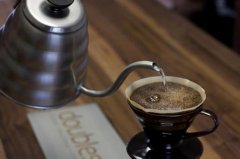
Basic knowledge of boutique coffee what is caffeine?
What is caffeine? Caffeine is a substance found in the leaves, roots and fruits of 100 plants in nature. it is also a mixture of methylxanthine. Caffeine usually comes from coffee, dimethoate and tea. Caffeine is also used in energy drinks and drugs to treat colds and flu. Coffee and tea also contain other dimethylxanthine theophylline. Tea
Some basic knowledge of high-quality coffee
What is caffeine? Caffeine is a substance found in the leaves, roots and fruits of 100 plants in nature. it is also a mixture of methylxanthine. Caffeine usually comes from coffee, dimethoate and tea. Caffeine is also used in energy drinks and drugs to treat colds and flu. Coffee and tea also contain other dimethylxanthine theophylline. Tea
Fine Coffee Science explains in detail several "what is" in coffee?
What is caffeine? Caffeine is a substance found in the leaves, roots and fruits of 100 plants in nature. it is also a mixture of methylxanthine. Caffeine usually comes from coffee, dimethoate and tea. Caffeine is also used in energy drinks and drugs to treat colds and flu. Coffee and tea also contain other dimethylxanthine theophylline. Tea
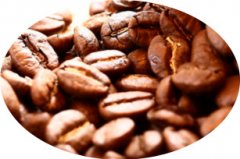
The basics of fine coffee do you know what caffeine is?
What is caffeine? Caffeine is a substance found in the leaves, roots and fruits of 100 plants in nature. it is also a mixture of methylxanthine. Caffeine usually comes from coffee, dimethoate and tea. Caffeine is also used in energy drinks and drugs to treat colds and flu. Coffee and tea also contain other dimethylxanthine theophylline. Tea
A few "what is" in boutique coffee?
What is caffeine? Caffeine is a substance found in the leaves, roots and fruits of 100 plants in nature. it is also a mixture of methylxanthine. Caffeine usually comes from coffee, dimethoate and tea. Caffeine is also used in energy drinks and drugs to treat colds and flu. Coffee and tea also contain other dimethylxanthine theophylline. Tea
Introduction to coffee terms
Arabica coffee: one of the three primary coffee species, the others being robusta and liberica. Arabica is the best of the three original species, but it is also the most susceptible to withering when cultivated

Understand coffee professional words and nouns about coffee
Arabica coffee: one of the three original varieties of coffee, the other two are Robusta and Liberika. Among the three original species, Arabica has the best quality, but it is also the easiest to wilt when cultivated.

What are the "what" in the coffee?
What is caffeine? Caffeine is a substance found in the leaves, roots and fruits of 100 plants in nature. it is also a mixture of methylxanthine. Caffeine usually comes from coffee, dimethoate and tea. Caffeine is also used in energy drinks and drugs to treat colds and flu. Coffee and tea also contain other dimethylxanthine theophylline. Tea

Coffee professional terms introduce organic coffee, follicular coffee, Italian coffee and Italian coffee.
Arabica coffee: one of the three original varieties of coffee, the other two are Robusta and Liberika. Among the three original species, Arabica has the best quality, but it is also the easiest to wilt when cultivated.

Have you heard of Japanese garlic coffee? What are the characteristics of garlic coffee? Does it taste bad?
Professional coffee knowledge exchange More coffee bean information Please pay attention to coffee workshop (Weixin Official Accounts cafe_style) Japanese garlic coffee source, Japan a 74-year-old grandfather Yokitomo Shimotai, 30 years ago cooking, accidentally burned steak and garlic. He suddenly discovered that the smell of burnt garlic was very special, so he saved the dish and used it

The knowledge of tasting coffee | how to taste a cup of coffee carefully?
Communication of professional baristas Please follow the coffee workshop (official Wechat account cafe_style) Why is coffee tasting a discipline? Every human activity can lead to major mistakes, ordinary results, or remarkable achievements. Whether you can turn a mistake into a potential victory usually depends on whether you have the will to try and try again and again, accumulate your profession gradually in the process of trial and failure, and finally reach a perfect situation.

I can't stand the stomach, but I can't quit the coffee addiction, and these methods can save you.
Professional coffee knowledge exchange more coffee bean information Please pay attention to coffee workshop (Wechat official account cafe_style) Coffee is a popular beverage around the world, but also has certain health benefits to the human body. It contains antioxidants, may be a major source of polyphenols in many diets, and it has been shown to reduce the risk of type 2 diabetes.